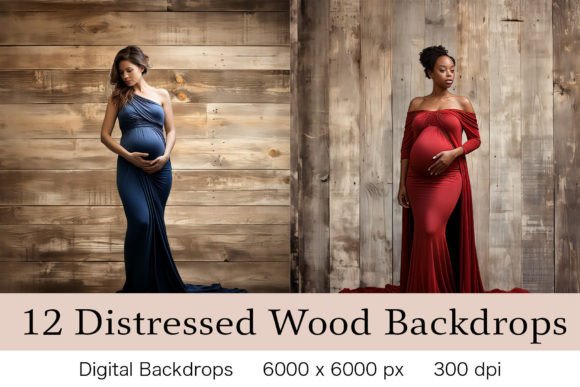
Distressed Wood Backgrounds for Authentic Design
There is a certain honesty in worn textures. A surface that shows its history—a faded paint stroke, a scratch from years of use, the natural grain of aged timber—tells a story that a perfectly smooth, digital surface cannot. This is the core appeal of Distressed Wood Backgrounds. They are not just patterns; they are visual narratives of time, resilience, and organic character. For a designer, entrepreneur, or content creator, these backgrounds offer an immediate shortcut to authenticity, grounding your digital work in something tangible and real.
The Visual Language of Aged Timber
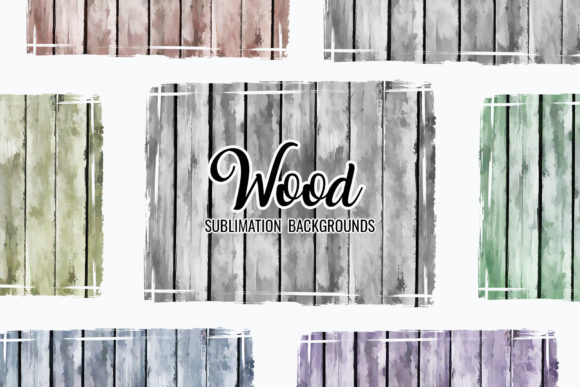
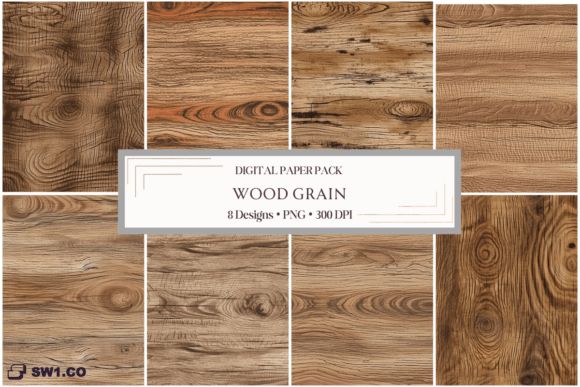
What defines a high-quality distressed wood background? It goes beyond a simple brown texture. The best collections, like this bundle of 12 digital backdrops, showcase a nuanced understanding of natural decay. You'll find variations in color—from sun-bleached grays and warm honey tones to deep, smoky charcoals. The grain is pronounced, with knots, cracks, and saw marks that create a compelling visual rhythm. The "distressed" effect isn't uniform chaos; it's the result of weathering, creating subtle highlights and shadows that give the image incredible depth, even at a flat 6000 x 6000 pixel resolution and 300 dpi.
This style communicates ruggedness, vintage charm, and handcrafted quality. It’s the visual equivalent of a well-loved workbench or a rustic cabin wall. In an era of sleek, minimalist design, these textures provide a necessary counterpoint—a touch of the handmade that feels warm and human. They are the perfect design assets for projects that need to convey heritage, sustainability, or a DIY spirit.
Where Rustic Textures Build Stronger Brands
The versatility of a distressed wood background is remarkable. It’s a foundational element that can adapt to countless contexts, making it a valuable tool in your creative toolkit. Think of it as a stage upon which other design elements can perform.
- Logo Design and Brand Identity: For businesses in artisanal food, craft brewing, outdoor apparel, or woodworking, these backgrounds can be used behind the logo in brand guidelines or as a texture within the logo itself (when used with layers and masks in Adobe Photoshop). This instantly roots the brand identity in a story of craftsmanship.
- Packaging Design: Imagine a coffee bag, a jar of jam, or a box for handmade soap. Using a subtle wood grain texture as a background on the label or the entire package elevates the perceived value, suggesting the product is small-batch and made with care.
- Web Design and Digital Publishing: A website for a mountain lodge, a photography portfolio with a rustic theme, or an e-commerce site selling vintage goods can use these backgrounds in hero sections, footer areas, or as a subtle overlay on blog post graphics. The key is moderation; a full-page wood background can be overwhelming, but a strategic section adds immense character.
- Social Media Graphics: Creating consistent, recognizable content is easier with a strong visual foundation. Use the same wood background for all your quote graphics, promotional banners, or behind product photos on Instagram and Facebook. This builds visual cohesion and brand recall.
- Editorial and Print Design: In magazine layouts, book covers, or restaurant menus, a wood texture can set the mood. It works beautifully as a background for pull quotes, chapter headings, or to frame photographs, adding a layer of tactile interest to the printed page.
Practical Guidance for Working with Wood Textures
Integrating these assets effectively requires more than just dropping them into a file. Here’s how to approach them with a designer’s mindset.
Evaluate the Project Fit: Before you select a background, ask what story you’re trying to tell. A heavily scarred, dark wood might suit a whiskey brand, while a lighter, more subtly weathered plank could be perfect for a wedding invitation suite. The texture should align with your project's personality and audience engagement goals.
Master the Tools: The description of this bundle correctly notes the need for knowledge of using Layers/Mask in Adobe Photoshop. This is non-negotiable for professional results. You will use these techniques to composite your text or graphics onto the background seamlessly. Use layer masks to blend edges, adjust opacity to soften the texture, or apply blend modes like Multiply, Overlay, or Soft Light to integrate your design elements organically with the wood grain. This skill is what separates a flat, pasted-on look from a cohesive, professional composition.
Font Pairing is Crucial: The ruggedness of wood demands a typographic counterpoint. A delicate, highly ornate script font might get lost. Instead, consider clean, bold sans serif fonts for headlines to create a strong contrast. For a more harmonious feel, a sturdy serif font with a slight vintage flair can work beautifully. The goal is readability and visual hierarchy. Your text needs to pop, not compete.
Consider the Color Palette: The background sets your base color. Build your palette around the undertones of the wood. Is it warm with reds and yellows? Cool with blues and grays? Use the eyedropper tool to pull accent colors directly from the texture for a naturally cohesive look. This reinforces the authentic feel.
Think About Licensing: This bundle is a digital download only, suitable for both personal and commercial projects. Always review the specific license terms. For a commercial font or asset, you need to ensure it covers your intended use—whether for client work, products for sale, or marketing materials. This due diligence protects you and respects the creator's work.
In the end, Distressed Wood Backgrounds are more than just a trend. They are a timeless design element that taps into a universal appreciation for the authentic and the enduring. By choosing the right texture, applying it with technical skill, and pairing it with thoughtful typography, you can create designs that feel not just visually appealing, but genuinely connected to something real. They are a powerful tool for any creative professional looking to add depth, story, and soul to their work.